
Light & Color Psychology — How Light Affects Mood, Behavior & Purchasing
The neuroscience behind lighting design decisions that influence human emotion, productivity, and spending.
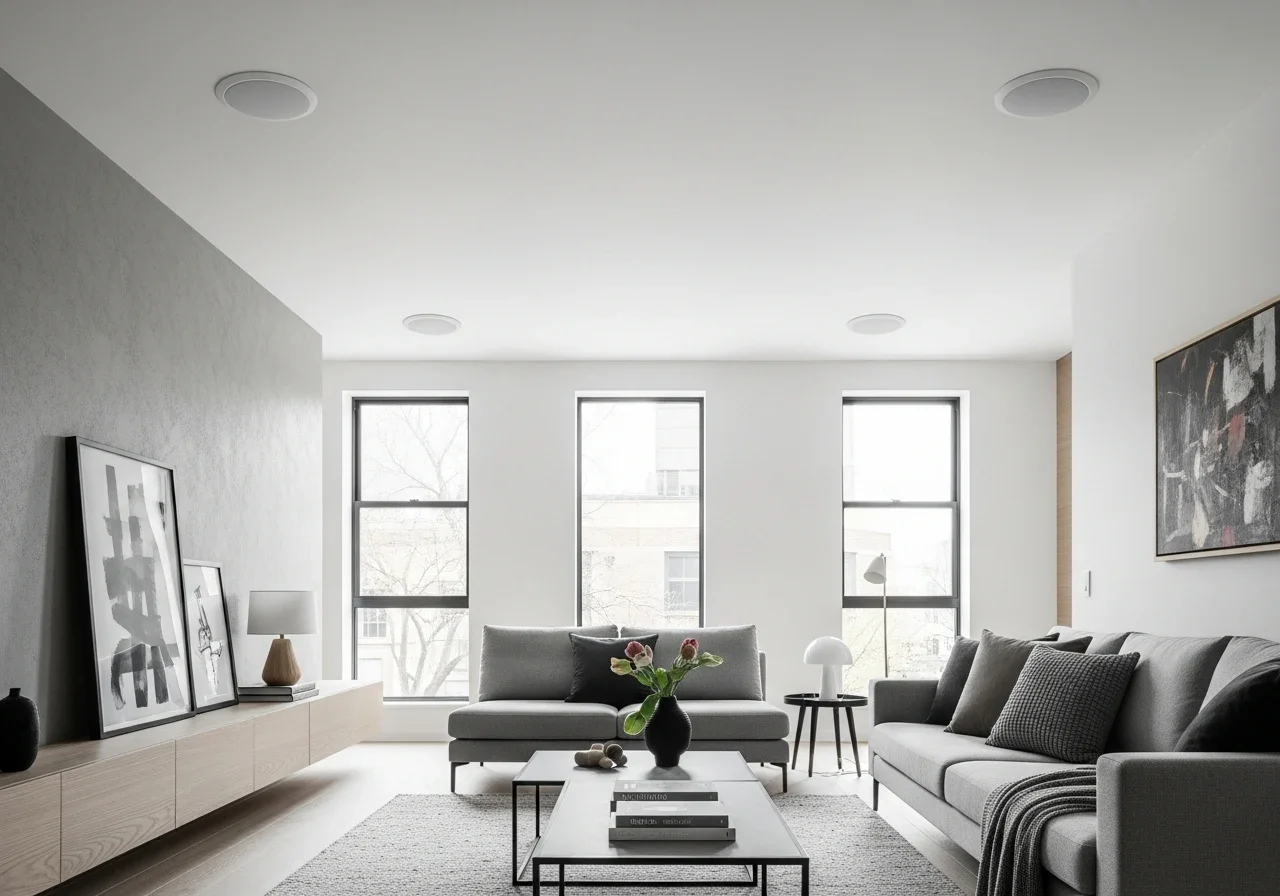
The Psychology of Light
Light is the most powerful environmental cue for human behavior. Beyond enabling vision and regulating circadian rhythms, lighting directly influences: • Mood and emotion: Warm, dim lighting creates intimacy and relaxation. Cool, bright lighting promotes alertness and energy. • Productivity: Office studies consistently show that optimized lighting (500 lux, 4000K) improves task performance by 10-15% compared to poorly designed environments. • Purchasing behavior: Retail lighting directly impacts dwell time, product evaluation, and purchase decisions. Accent lighting increases perceived product value by up to 30%. • Spatial perception: Low uniform lighting makes spaces feel smaller and cozier. High wall/ceiling illuminance makes spaces feel larger and more open. • Trust and comfort: Appropriate vertical illuminance on faces (50-150 lux at 1.5m) enables comfortable social interaction. Too dark feels anonymous; too bright feels interrogative.
Lighting Psychology by Application
| 0 | 1 | 2 | 3 | 4 |
|---|---|---|---|---|
| Restaurant — fine dining | Intimacy, romance, focus on food | 2200-2700K | 50-150 lux ambient | Accent on tables, dim walls |
| Restaurant — fast casual | Energy, quick turnover | 3500-4000K | 300-500 lux | Bright, uniform |
| Retail — luxury | Exclusivity, product focus | 2700-3000K | Low ambient, high accent (10:1) | Narrow spots on merchandise |
| Retail — fast fashion | Energy, discovery, volume | 4000-5000K | High ambient (500+ lux) | Broad, uniform with accent |
| Office — focused work | Concentration, alertness | 4000-5000K | 500 lux task | Direct + indirect |
| Office — collaboration | Openness, creativity | 3500-4000K | 300-400 lux | Predominantly indirect |
| Hotel lobby | Welcome, comfort, brand identity | 2700-3000K | 200-300 lux, layered | Decorative + wall wash |
| Spa / wellness | Calm, retreat, relaxation | 2200-2700K | 50-100 lux | Indirect, cove, no glare |
| Hospital ward | Reassurance, rest | 3000-4000K tunable | 100 ambient, 300 task | Indirect ambient, direct bedhead |
The Lighting-Purchasing Connection
Research in retail environments demonstrates that lighting is the single most influential environmental factor in purchasing decisions after merchandise selection. Key findings from retail lighting research: • Products under accent lighting (3:1 to 10:1 ratio over ambient) are perceived as 20-30% higher quality than the same products under flat uniform lighting. • Warm lighting (2700-3000K) in luxury environments increases dwell time by 15-20% and average transaction value. • High CRI (> 90) dramatically improves customer satisfaction with apparel purchases — reducing return rates by up to 15%. • Vertical illuminance on product displays is more important than horizontal illuminance — customers look at shelves, not the floor. • Dynamic lighting (slow color/intensity transitions) increases attention and dwell time in window displays and feature areas.
Vertical Illuminance and Social Comfort
One of the most overlooked aspects of lighting psychology is vertical illuminance — particularly on faces. Humans are hardwired to read facial expressions, and lighting that makes faces visible and naturally rendered is fundamental to social comfort. Guidelines: • Minimum 50 lux vertical at face height (1.5m standing, 1.2m seated) for comfortable conversation. • 100-150 lux vertical for presentation areas, reception counters, and meeting rooms where facial reading is important. • Avoid strong downlighting without supplementary indirect or wall wash — it creates harsh shadows under brows and noses, making people appear gaunt and unfriendly. • Cylindrical illuminance (the average illuminance on a vertical cylinder at a point) is the technical metric for this — EN 12464-1 recommends Ez ≥ 150 lux for offices and social spaces.
The Kruithof Curve
The Kruithof Curve describes the relationship between CCT and illuminance that humans find 'pleasant'. At low light levels, people prefer warm light (2700K). At high light levels, cooler light (4000K+) is acceptable and even preferred. A brightly lit room at 2200K feels uncomfortably yellow-orange. A dimly lit room at 5000K feels cold and institutional. Matching CCT to intensity is a fundamental principle of lighting psychology.