
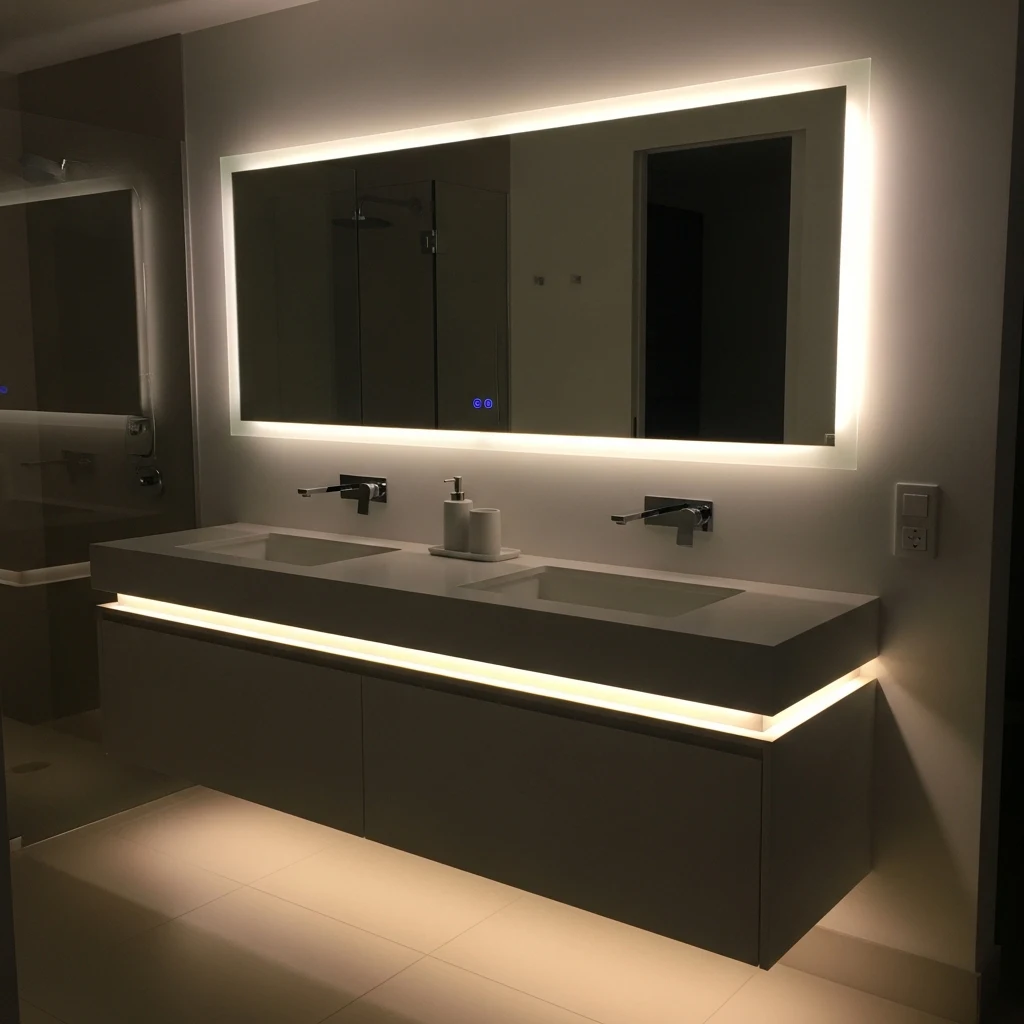
Effective facade lighting is about more than illumination — it's about revealing architecture, creating mood, and establishing identity. Understanding these fundamental techniques enables designers to craft compelling nighttime experiences that honor the building's daytime character.
CORE TECHNIQUES
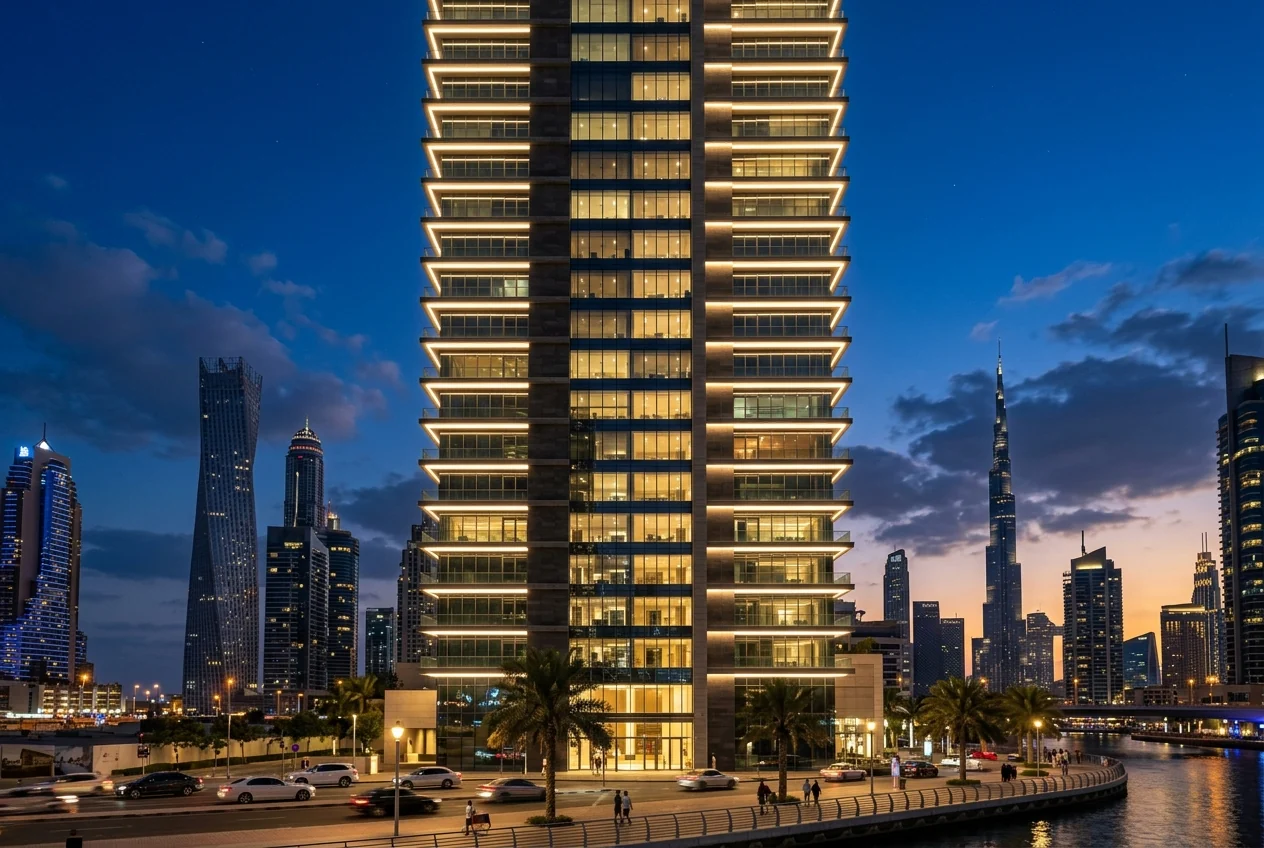
Wall Grazing
Fixtures mounted close to the surface create dramatic shadows that reveal texture, depth, and architectural detail. Ideal for stone, brick, and textured facades.
150-300mm from wall
Asymmetric narrow
BEST FOR
CONSIDERATIONS
Wall Washing
Even, uniform illumination across the facade surface. Creates a smooth, professional appearance that minimizes surface imperfections.
300-600mm from wall
Wide symmetric
BEST FOR
CONSIDERATIONS
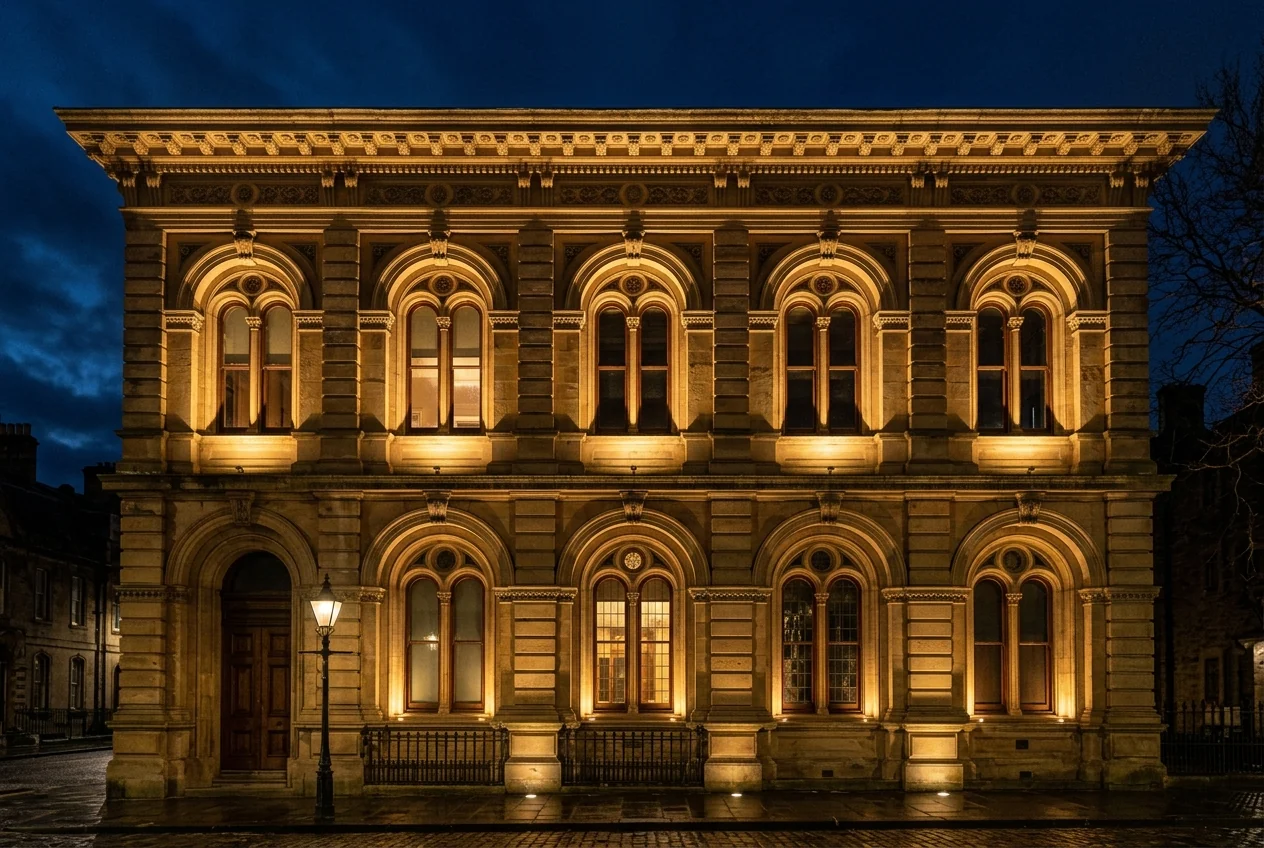
Accent Lighting
Focused beams highlight specific architectural features, creating hierarchy and drawing attention to focal points.
Variable - aimed at feature
Narrow spot to medium flood
BEST FOR
CONSIDERATIONS
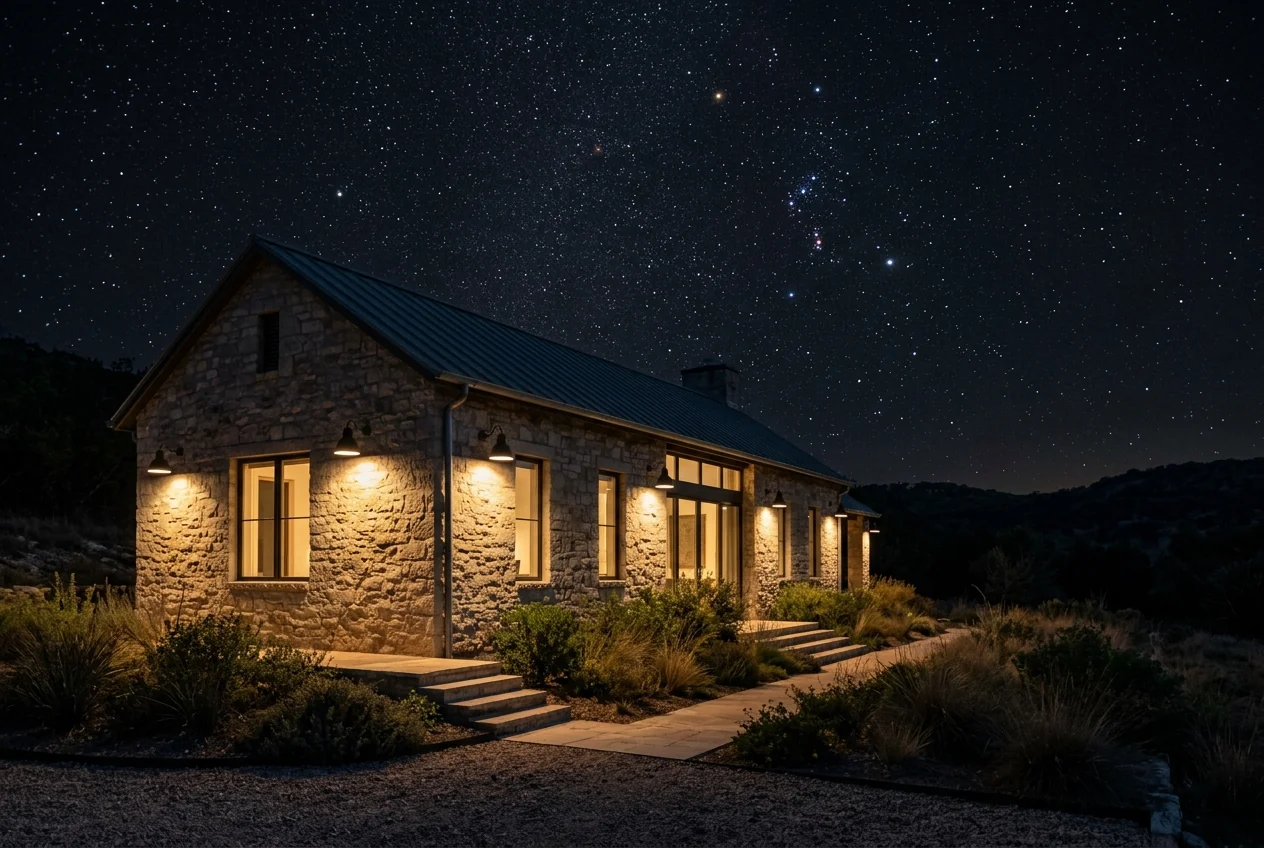
Silhouette Lighting
Backlighting creates dramatic outlines against the night sky. The building becomes a dark shape against illuminated background.
Behind or around feature
Wide wash
BEST FOR
CONSIDERATIONS
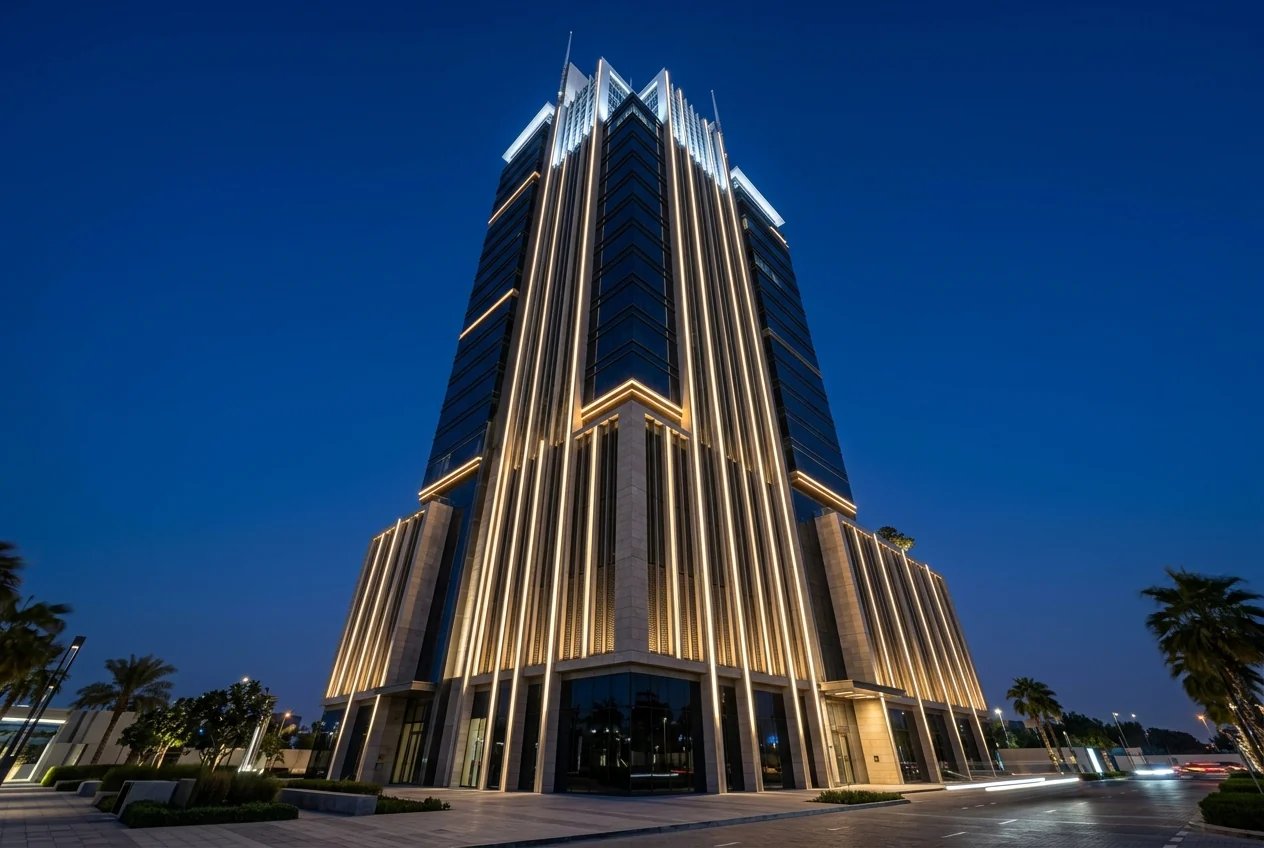
Layered Lighting
Multiple lighting techniques combined to create depth, dimension, and visual interest. Professional approach for complex facades.
Multiple positions
Mixed
BEST FOR
CONSIDERATIONS
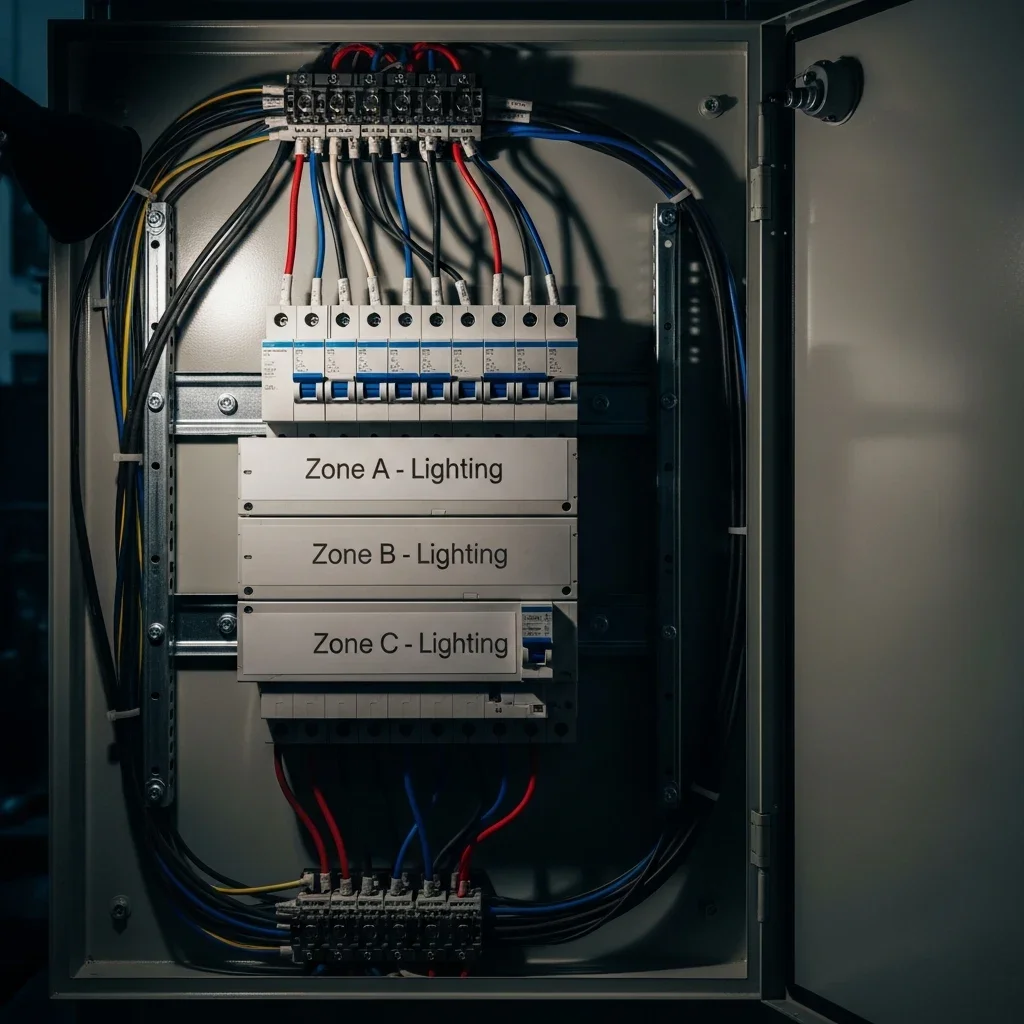
Color Changing
Dynamic RGB/RGBW systems enable color scenes for branding, events, and seasonal displays. Full spectrum control.
Per technique used
Per application
BEST FOR
CONSIDERATIONS
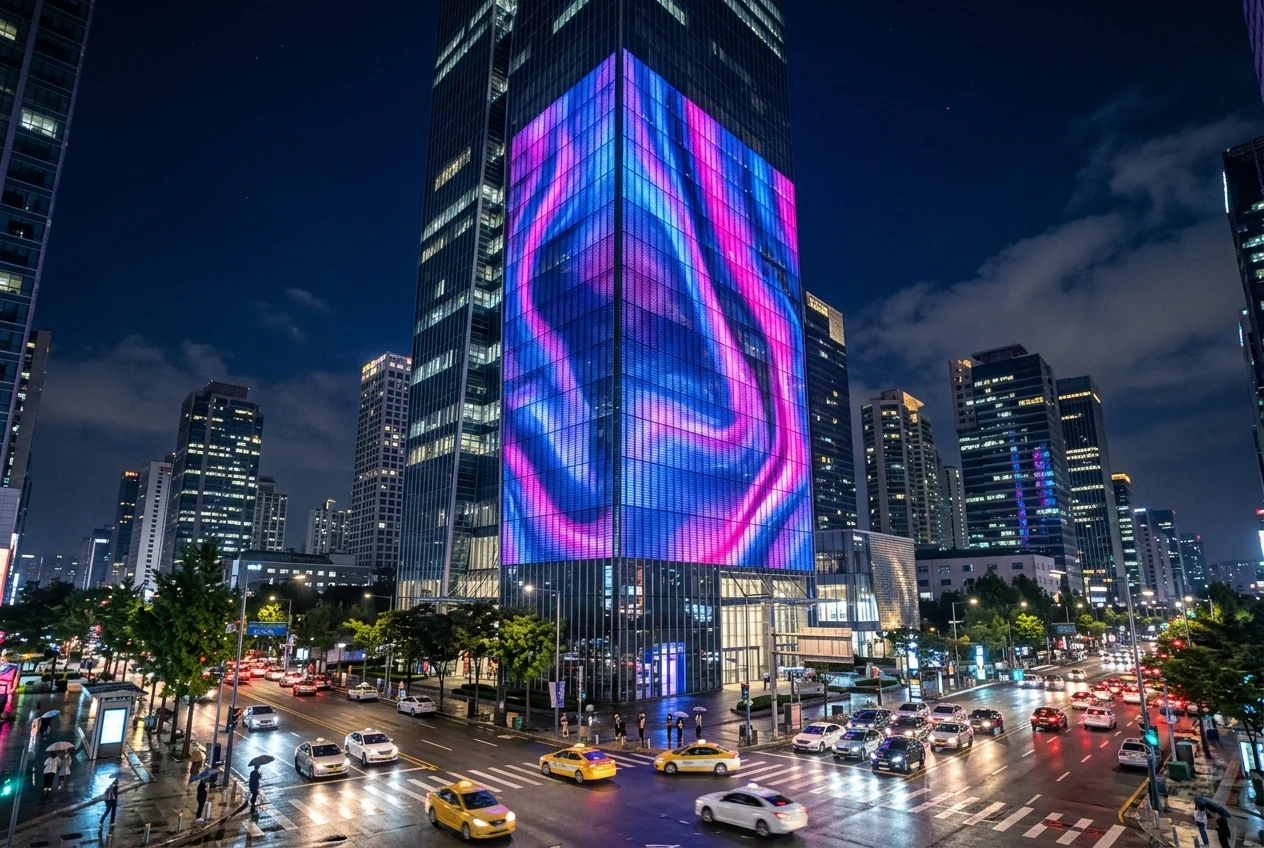
Pixel & Media
Individual addressable LED nodes create dynamic content, animations, and media displays. Building as digital canvas.
Grid pattern across facade
Wide diffused
BEST FOR
CONSIDERATIONS
DESIGN PRINCIPLES
Hierarchy
Create visual importance through light intensity and focus
Balance
Distribute light evenly while maintaining interest
Contrast
Use light and shadow to define form
Color Temperature
Match CCT to material and desired mood
Glare Control
Shield light sources from direct view
Energy Efficiency
Optimize output for required effect
COMMON MISTAKES TO AVOID
- • Over-lighting — more is not always better
- • Ignoring daytime appearance of fixtures
- • Poor fixture spacing causing scalloping
- • Mismatched color temperatures
- • Inadequate maintenance access planning
- • Ignoring light pollution regulations
NEED DESIGN GUIDANCE?
Our design team can recommend the optimal technique combination for your specific facade and objectives.