
Wireless Lighting Controls — Bluetooth, Zigbee & Casambi
No new wires, no bus cables — the future of retrofit and flexible lighting control.
Wireless Protocol Comparison
| feature | bluetooth mesh | zigbee | casambi |
|---|---|---|---|
| Topology | Mesh (self-healing) | Mesh (coordinator) | Bluetooth Mesh |
| Range per node | 10–30m | 10–20m indoor | 10–30m |
| Max devices | 32,000+ | 65,000 | 250 per network |
| Gateway needed | Optional | Yes (coordinator) | No (phone is gateway) |
| App control | Varies | Via gateway | Native smartphone app |
| Commissioning | Phone/tablet | Gateway software | Phone app (very easy) |
| Best for | Large new builds | Smart home ecosystems | Retrofit, quick deploy |
When to Use Wireless
Wireless control is ideal for: retrofit projects (no access for new wiring), rental/temporary spaces, quick-deploy commercial (pop-up retail, exhibitions), and supplementing wired DALI with wireless sensors. It is NOT ideal for mission-critical facilities where RF interference is a concern.
Casambi Deep Dive
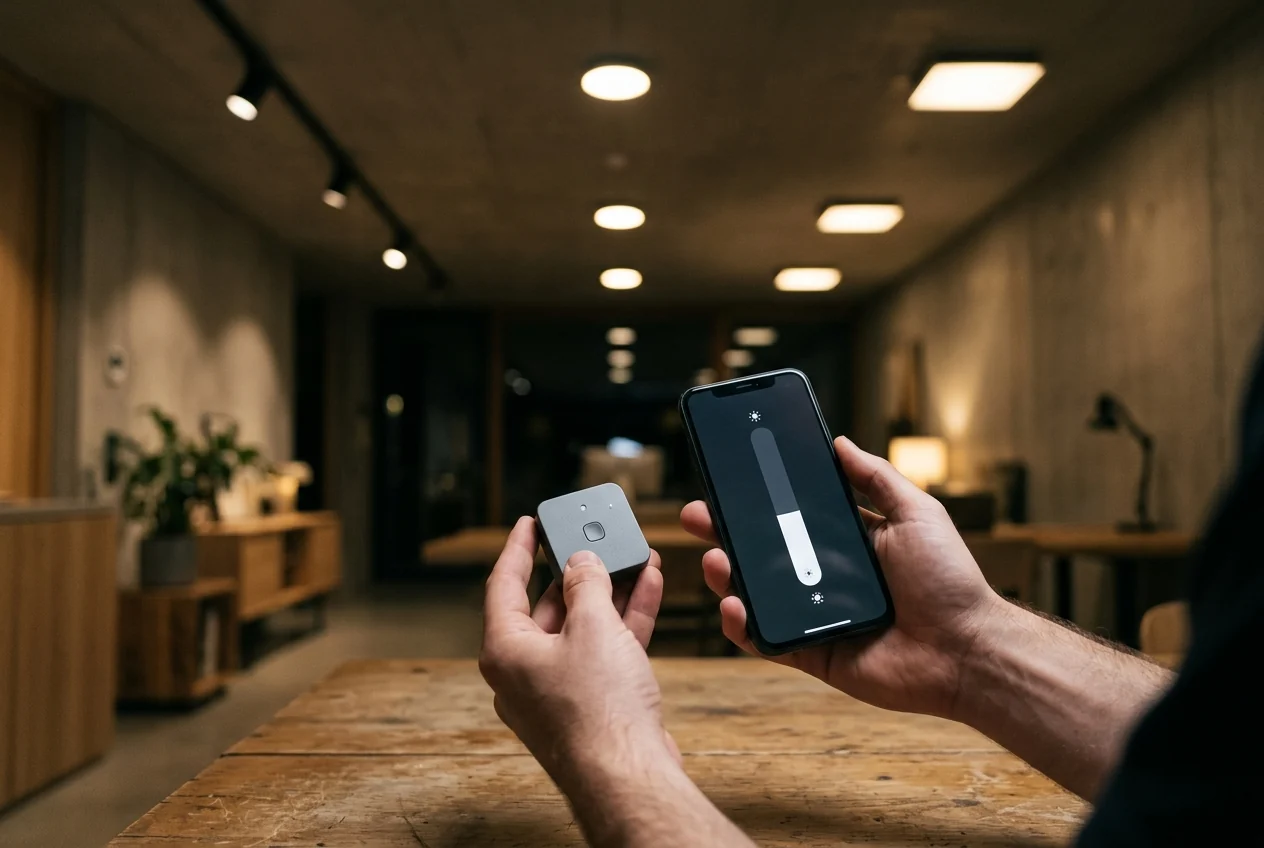
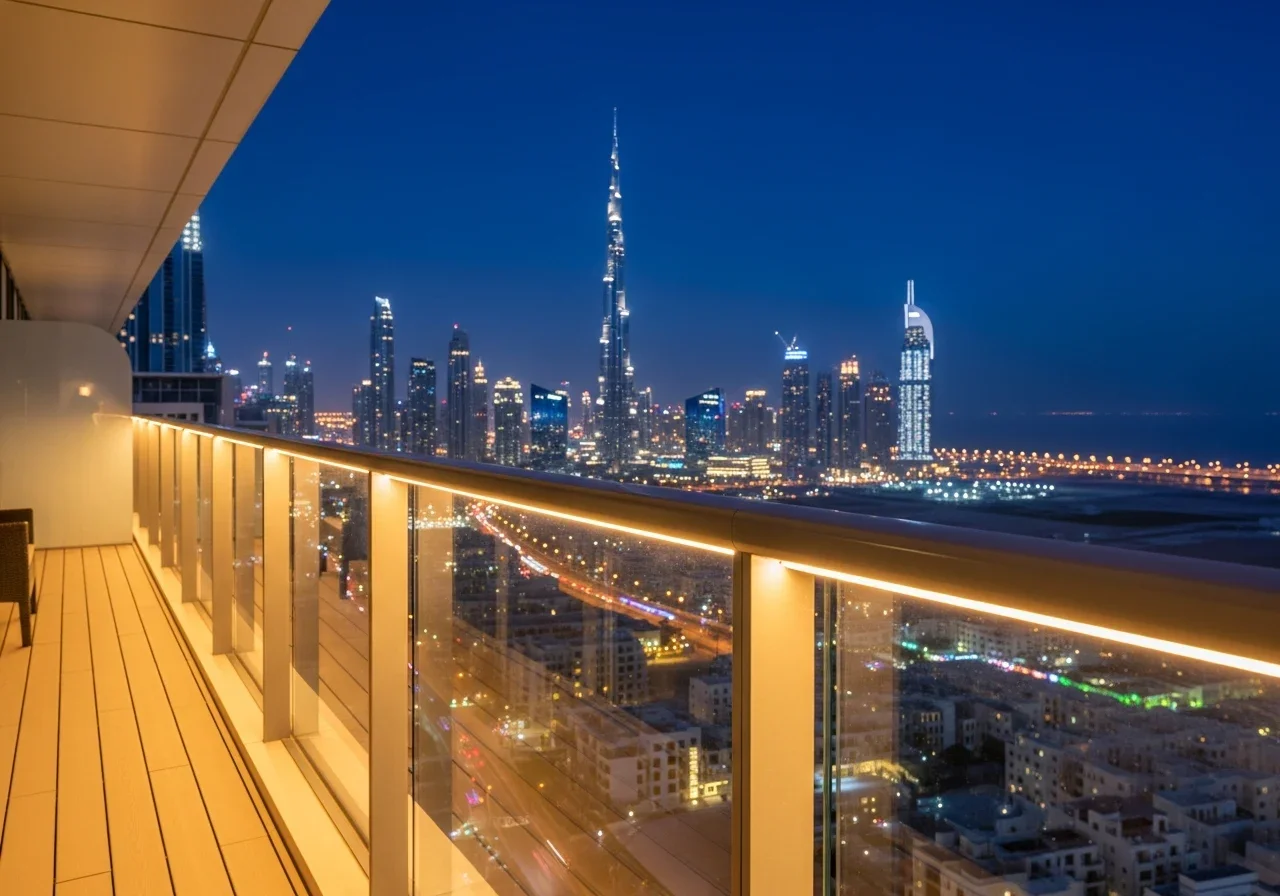
Casambi is the most popular wireless system in architectural lighting. It embeds a Bluetooth radio directly into the LED driver. No gateway, no hub — commission entirely from a smartphone app. Create groups, scenes, timers, and daylight harvesting. Cloud backup stores configurations. Particularly popular in GCC hospitality retrofit projects.
Mesh Network Reliability
In mesh networks, each fixture acts as a repeater. This means the more fixtures, the more reliable the network. Dead zones are eliminated because signals hop between fixtures. However, concrete walls and metal structures can attenuate Bluetooth signals — plan fixture density accordingly.