LIGHTING DESIGN
How Residential Lighting Affects Mood and Lifestyle
From circadian rhythm support to smart home ecosystems, discover how residential lighting directly influences your mood, energy levels, and daily lifestyle. Science-backed insights and practical design tips.
How Residential Lighting Affects Mood and Lifestyle
From circadian rhythm support to smart home ecosystems, discover how residential lighting directly influences your mood, energy levels, and daily lifestyle. Science-backed insights and practical design tips.

Science has proven what designers have known instinctively: lighting profoundly shapes how we feel, think, and live. A Harvard Medical School study found that exposure to warm-toned evening lighting (2700K) increased melatonin production by 58% compared to cool white (5000K) — directly improving sleep quality and next-day alertness.
"We shape our buildings, and afterwards our buildings shape us. Light is the medium through which architecture speaks to the human spirit."
Winston Churchill — Adapted for lighting design
The Science: How Light Affects the Brain
Light enters the eye and triggers melanopsin-containing retinal ganglion cells (ipRGCs) that communicate directly with the brain's suprachiasmatic nucleus (SCN) — our master biological clock. This means lighting doesn't just affect what we see; it regulates:
- Melatonin production — sleep hormone suppressed by blue-rich light (>5000K)
- Cortisol levels — stress hormone influenced by light intensity and timing
- Serotonin release — mood-regulating neurotransmitter boosted by bright, daylight-spectrum light
- Circadian rhythm — the 24-hour cycle governing sleep, alertness, digestion, and immunity
Room-by-Room Lighting Guide
Living Room — The Social Heart
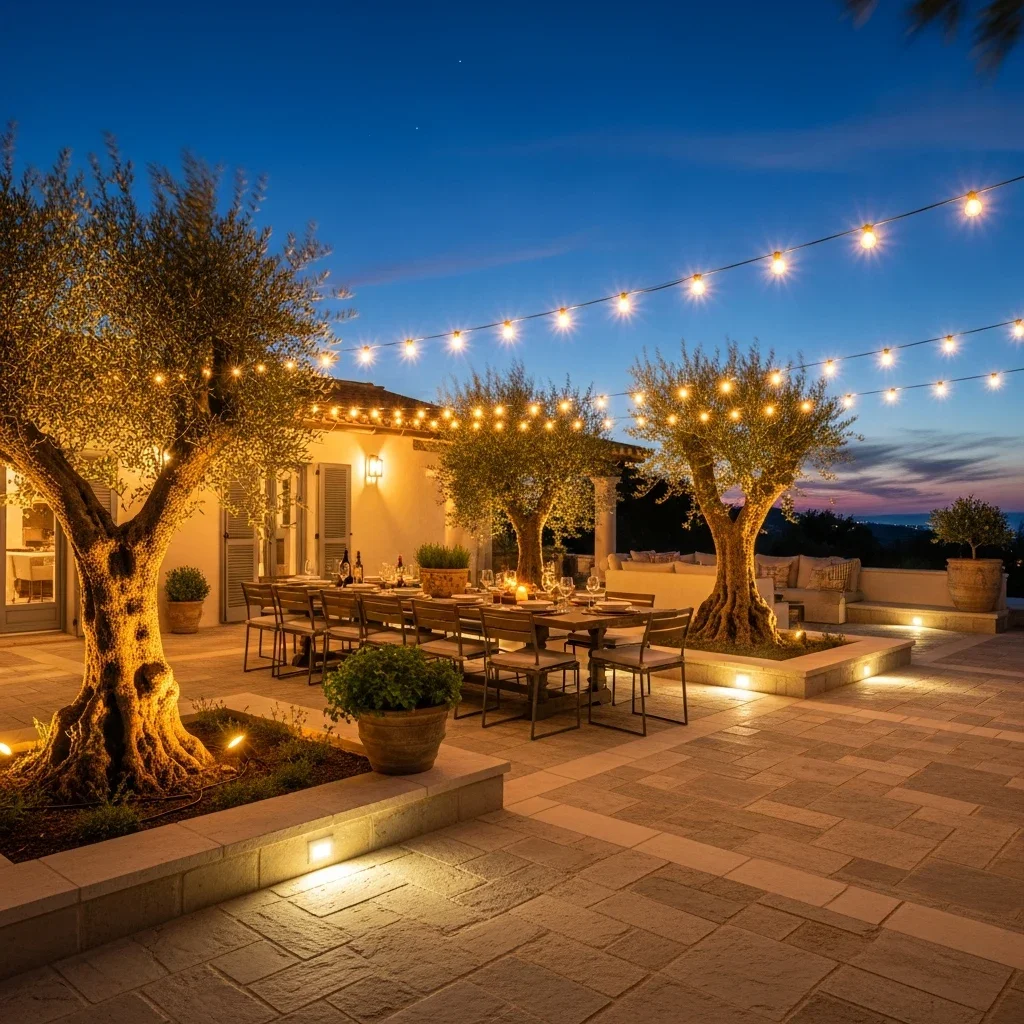
The living room requires the most flexible lighting scheme in the home — it must transition from energizing daytime brightness to intimate evening ambiance.
- CCT: 2700-3000K (warm) for relaxation; tunable white for daytime use
- Lux Level: 150-300 lux ambient, 300+ lux for reading areas
- CRI: 90+ to render furnishing colors accurately
- Layers: Recessed ambient + floor/table task lamps + wall washers for art + decorative pendants
Bedroom — Sleep Sanctuary
Research from the Rensselaer Polytechnic Institute shows that just 2 hours of exposure to blue-rich light (>4000K) before bed delays sleep onset by 22 minutes and reduces deep sleep quality by 15%.
- CCT: 2700K maximum (2200K ideal for pre-sleep)
- Lux Level: 100-150 lux ambient, 300 lux for reading (directed)
- Key Features: Dimmable everything, bedside reading with adjustable arm, no overhead glare
Kitchen — The Performance Stage
- CCT: 3000-4000K (brighter for task areas, warmer for dining island)
- Lux Level: 500 lux on countertops (EN 12464-1 standard for food preparation)
- CRI: 90+ critical for food color accuracy
- Layers: Under-cabinet LED strips + pendant over island + recessed general
Home Office — Productivity Zone
- CCT: 4000K for focus (avoid >5000K to prevent fatigue)
- Lux Level: 500 lux on desk surface (EN 12464-1 office standard)
- UGR: Less than 19 (Unified Glare Rating — prevents screen reflections and eye strain)
Smart Lighting: The Modern Home Ecosystem
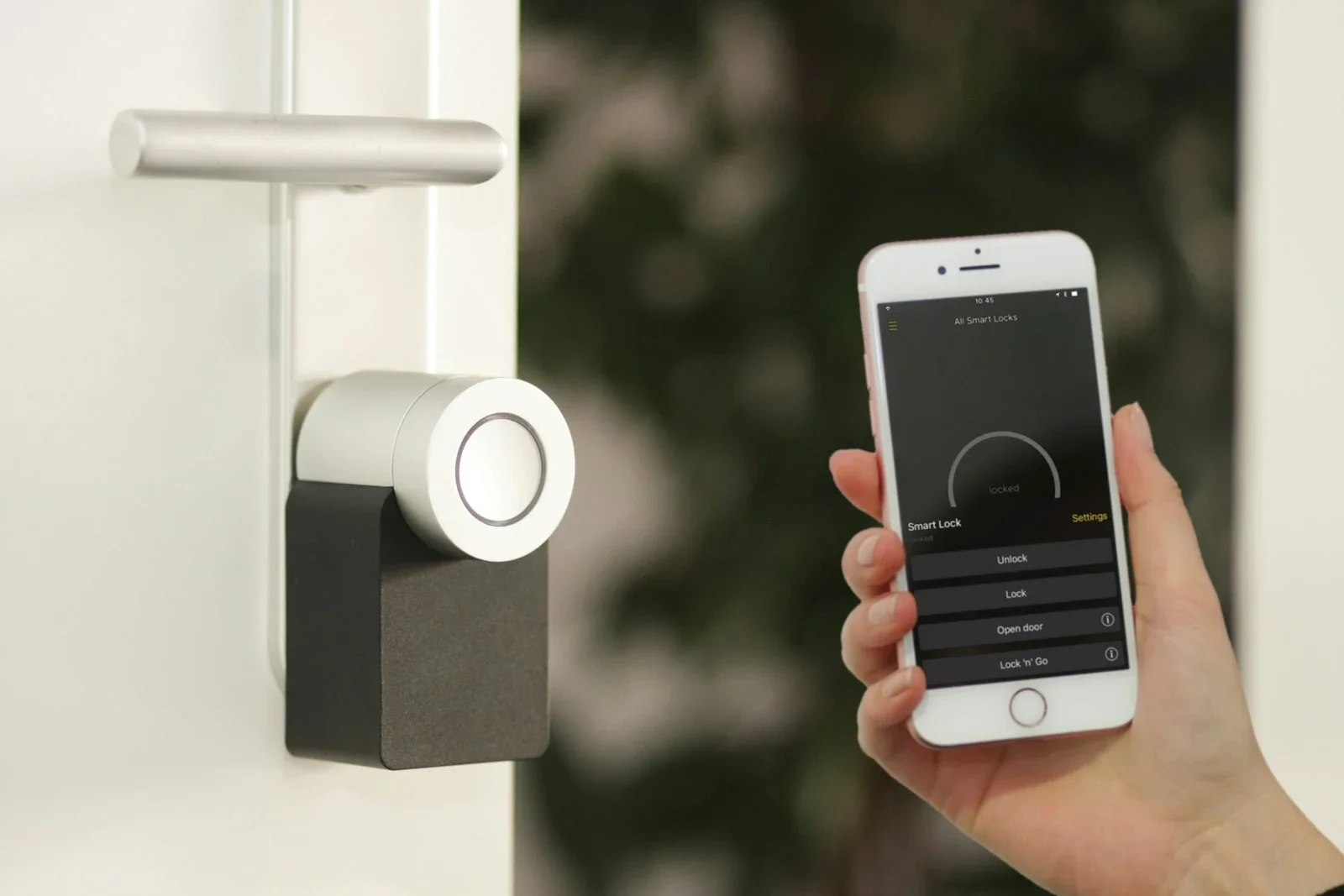
Today's residential lighting goes far beyond simple switches. DALI-2, Casambi, and KNX systems create intelligent homes where lighting responds to time, activity, and even weather.
- Scene presets: "Morning Energy" (4000K, 400 lux), "Movie Night" (2200K, 50 lux), "Dinner Party" (2700K, 150 lux)
- Circadian automation: CCT and intensity follow the sun's natural cycle throughout the day
- Occupancy sensing: Lights dim or switch off in empty rooms — saving up to 40% energy
- Voice and app control: Integration with Alexa, Google Home, Apple HomeKit
"The quality of light by which we live our lives at home has a direct impact on the quality of our lives themselves. Light is not decoration — it is a fundamental human need."
Ingo Maurer — Legendary Lighting Designer
The Future: Circadian and Biophilic Lighting
The WELL Building Standard now includes specific requirements for circadian lighting in residential settings. Key principles:
- Melanopic equivalent daylight illuminance (M-EDI) of 250+ lux at eye level during the day
- Automatic CCT shift from 5000K (daytime) to 2700K (evening) following solar patterns
- Biophilic integration: Dappled light patterns, natural daylight maximization, views to greenery
Conclusion
Residential lighting is far more than decoration — it is a health tool, a mood regulator, and a lifestyle enhancer. By understanding the science of light's effect on the human body and applying room-specific standards, homeowners can create spaces that energize mornings, focus productive hours, and cradle restful evenings. The investment in quality, layered, tunable lighting pays dividends in well-being every single day.
LEDWORLD Technical Team
Expert lighting consultants with over 20 years of experience in architectural lighting design across UAE and GCC.