
LIGHTING DESIGN
Kitchen Lighting Design: Task, Ambient, and Accent Layers Explained
Master the art of kitchen lighting with our guide to layered illumination. Learn how to combine task lighting, ambient fixtures, and accent features for the perfect culinary space.
Kitchen Lighting Design: Task, Ambient, and Accent Layers Explained
Master the art of kitchen lighting with our guide to layered illumination. Learn how to combine task lighting, ambient fixtures, and accent features for the perfect culinary space.

Master the art of kitchen lighting with our guide to layered illumination. Learn how to combine task lighting, ambient fixtures, and accent features for the perfect culinary space.
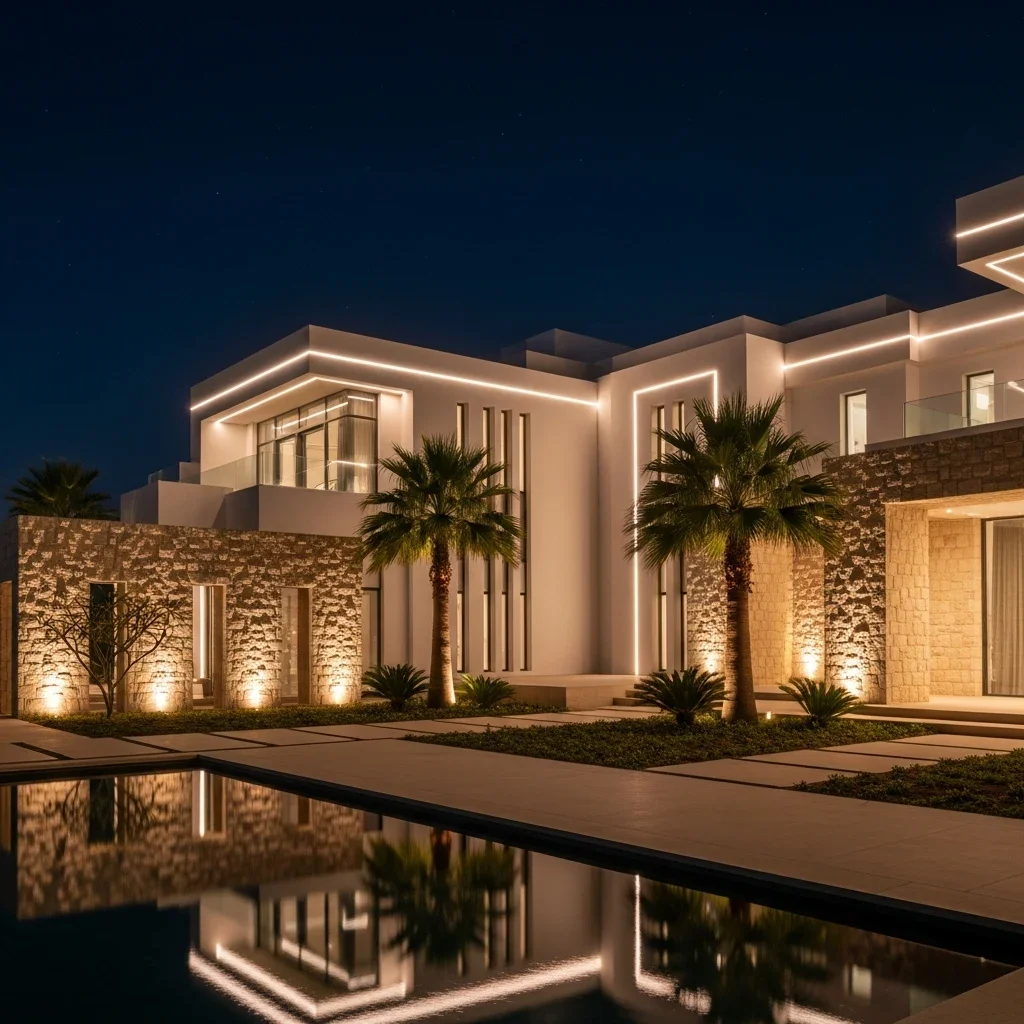
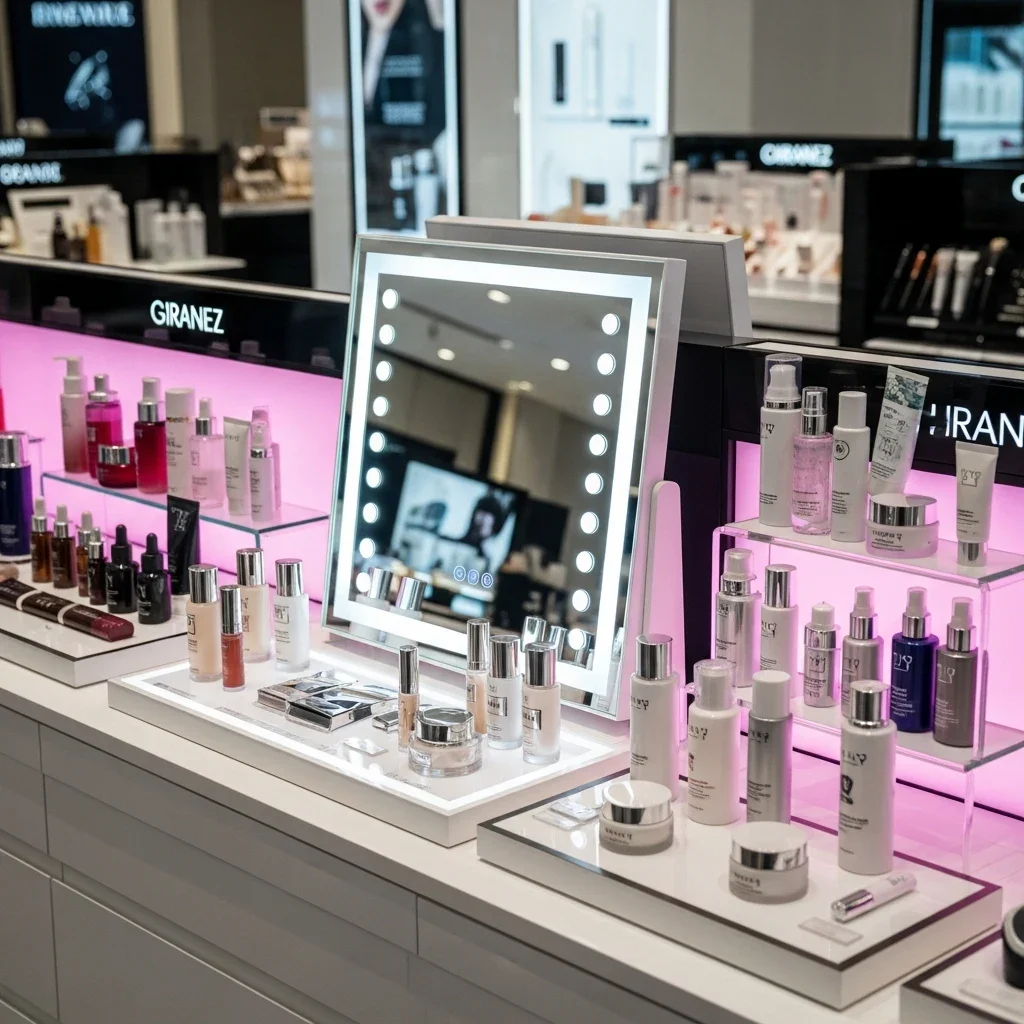
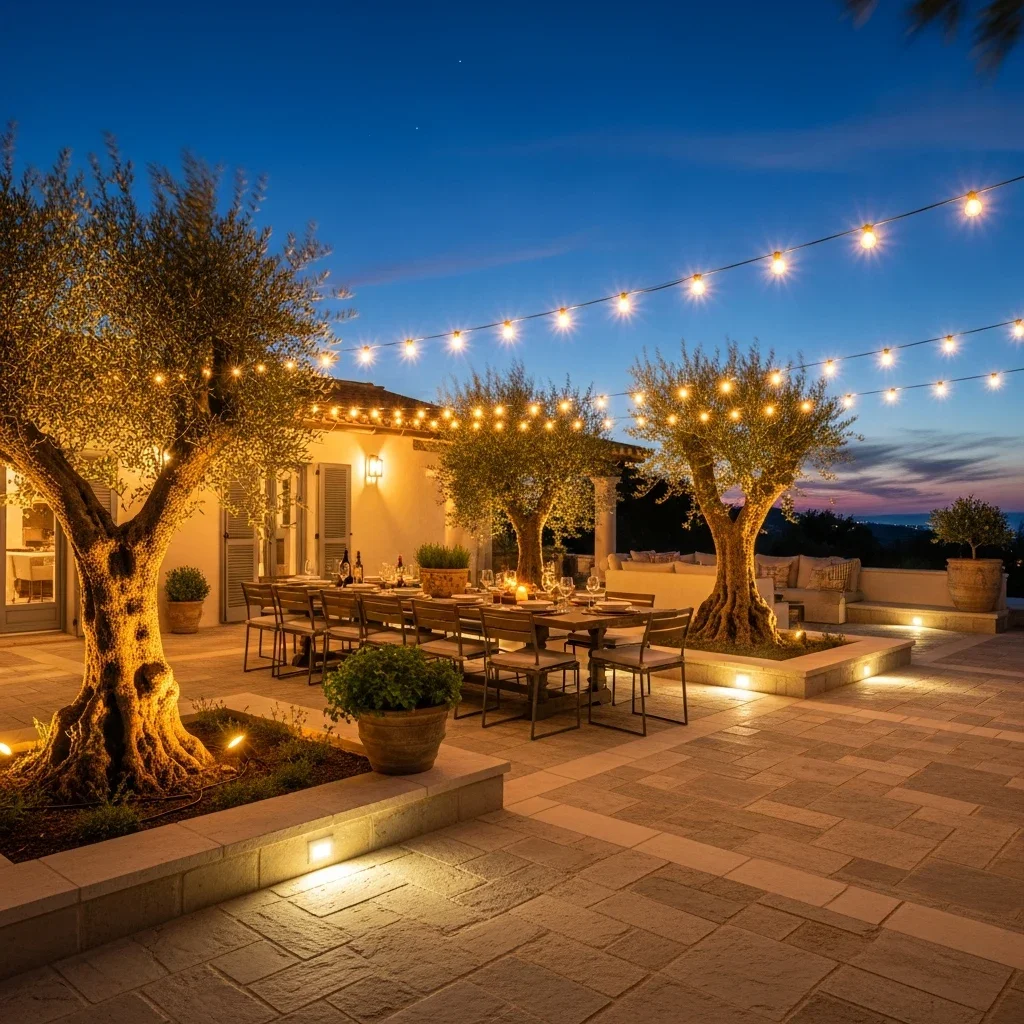
Great lighting design transforms spaces from merely functional to truly memorable. Understanding design principles helps you create environments that support activities and evoke emotions.
Design Fundamentals
Core lighting design principles:
- Layering: Combine ambient, task, and accent lighting
- Balance: Distribute light appropriately throughout the space
- Contrast: Create visual interest with light and shadow
- Focal Points: Direct attention to key features
- Flexibility: Enable different moods through controls
Room-by-Room Guide
Tailoring lighting to function:
Living Areas
Flexible, layered lighting supporting relaxation and entertaining. Dimming essential.
Kitchens
Bright task lighting for work zones, ambient for dining areas, accent for displays.
Bedrooms
Warm, dimmable lighting supporting sleep. Bedside reading lights with individual control.
Bathrooms
Shadow-free vanity lighting, ambient for relaxation, waterproof fixtures in wet zones.
Color and Light
How light affects perception:
- Warm light makes colors appear richer, cooler
- Cool light energizes but can feel clinical
- CRI affects how accurately colors render
- Consistent color temperature creates harmony
- Mixed temperatures can cause visual confusion
Technology Integration
Modern lighting capabilities:
- Dimming: Adjust intensity for mood and task
- Tunable White: Shift color temperature throughout day
- Color Changing: RGB/RGBW for accent effects
- Smart Controls: Voice, app, and automation
- Sensors: Occupancy and daylight response
Conclusion
Lighting design is both art and science. By understanding these principles and applying them thoughtfully, you can create spaces that look beautiful, function effectively, and adapt to your changing needs.
LEDWORLD Team
Expert lighting consultants with over 20 years of experience in architectural lighting design across UAE and GCC.