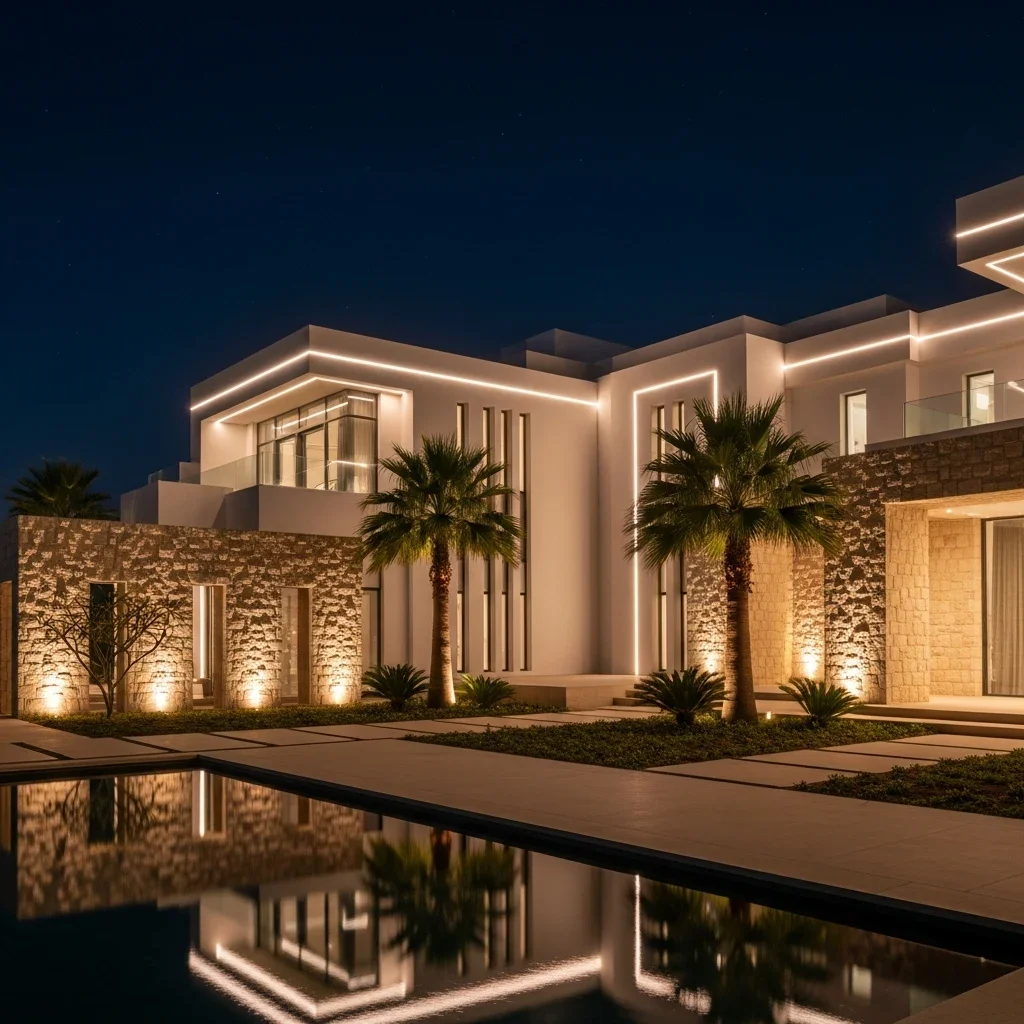
Science has proven what designers have known instinctively: lighting profoundly shapes how we feel, think, and live. A Harvard Medical School study found that exposure to warm-toned evening lighting (2700K) increased melatonin production by 58% compared to cool white (5000K) — directly improving sleep quality and next-day alertness.
"We shape our buildings, and afterwards our buildings shape us. Light is the medium through which architecture speaks to the human spirit."
Winston Churchill — Adapted for lighting design
The Science: How Light Affects the Brain
Light enters the eye and triggers melanopsin-containing retinal ganglion cells (ipRGCs) that communicate directly with the brain's suprachiasmatic nucleus (SCN) — our master biological clock. This means lighting doesn't just affect what we see; it regulates:
- Melatonin production — sleep hormone suppressed by blue-rich light (>5000K)
- Cortisol levels — stress hormone influenced by light intensity and timing
- Serotonin release — mood-regulating neurotransmitter boosted by bright, daylight-spectrum light
- Circadian rhythm — the 24-hour cycle governing sleep, alertness, digestion, and immunity
Room-by-Room Lighting Guide
Living Room — The Social Heart
The living room requires the most flexible lighting scheme in the home — it must transition from energizing daytime brightness to intimate evening ambiance.
- CCT: 2700-3000K (warm) for relaxation; tunable white for daytime use
- Lux Level: 150-300 lux ambient, 300+ lux for reading areas
- CRI: 90+ to render furnishing colors accurately
- Layers: Recessed ambient + floor/table task lamps + wall washers for art + decorative pendants
Bedroom — Sleep Sanctuary
Research from the Rensselaer Polytechnic Institute shows that just 2 hours of exposure to blue-rich light (>4000K) before bed delays sleep onset by 22 minutes and reduces deep sleep quality by 15%.
- CCT: 2700K maximum (2200K ideal for pre-sleep)
- Lux Level: 100-150 lux ambient, 300 lux for reading (directed)
- Key Features: Dimmable everything, bedside reading with adjustable arm, no overhead glare
Kitchen — The Performance Stage
- CCT: 3000-4000K (brighter for task areas, warmer for dining island)
- Lux Level: 500 lux on countertops (EN 12464-1 standard for food preparation)
- CRI: 90+ critical for food color accuracy
- Layers: Under-cabinet LED strips + pendant over island + recessed general
Home Office — Productivity Zone
- CCT: 4000K for focus (avoid >5000K to prevent fatigue)
- Lux Level: 500 lux on desk surface (EN 12464-1 office standard)
- UGR: Less than 19 (Unified Glare Rating — prevents screen reflections and eye strain)
Smart Lighting: The Modern Home Ecosystem
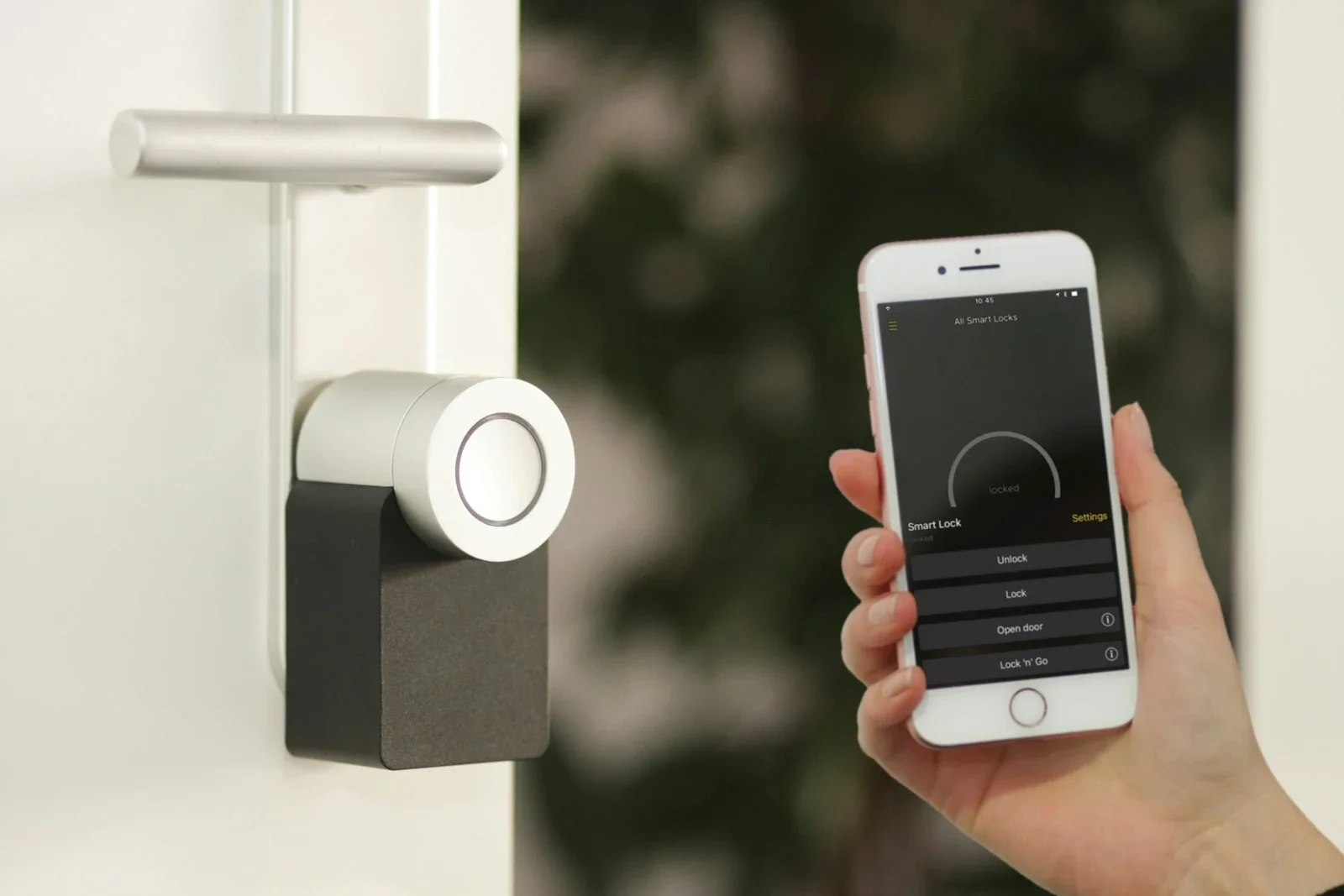
Today's residential lighting goes far beyond simple switches. DALI-2, Casambi, and KNX systems create intelligent homes where lighting responds to time, activity, and even weather.
- Scene presets: "Morning Energy" (4000K, 400 lux), "Movie Night" (2200K, 50 lux), "Dinner Party" (2700K, 150 lux)
- Circadian automation: CCT and intensity follow the sun's natural cycle throughout the day
- Occupancy sensing: Lights dim or switch off in empty rooms — saving up to 40% energy
- Voice and app control: Integration with Alexa, Google Home, Apple HomeKit
"The quality of light by which we live our lives at home has a direct impact on the quality of our lives themselves. Light is not decoration — it is a fundamental human need."
Ingo Maurer — Legendary Lighting Designer
The Future: Circadian and Biophilic Lighting
The WELL Building Standard now includes specific requirements for circadian lighting in residential settings. Key principles:
- Melanopic equivalent daylight illuminance (M-EDI) of 250+ lux at eye level during the day
- Automatic CCT shift from 5000K (daytime) to 2700K (evening) following solar patterns
- Biophilic integration: Dappled light patterns, natural daylight maximization, views to greenery
Conclusion
Residential lighting is far more than decoration — it is a health tool, a mood regulator, and a lifestyle enhancer. By understanding the science of light's effect on the human body and applying room-specific standards, homeowners can create spaces that energize mornings, focus productive hours, and cradle restful evenings. The investment in quality, layered, tunable lighting pays dividends in well-being every single day.