
Back to Academy
Lighting FundamentalsLight Distribution
Beam Angle Explained
How beam angle controls light distribution, spacing, and visual effect.
5 min LEDWORLD Technical Team 655 views
Definition
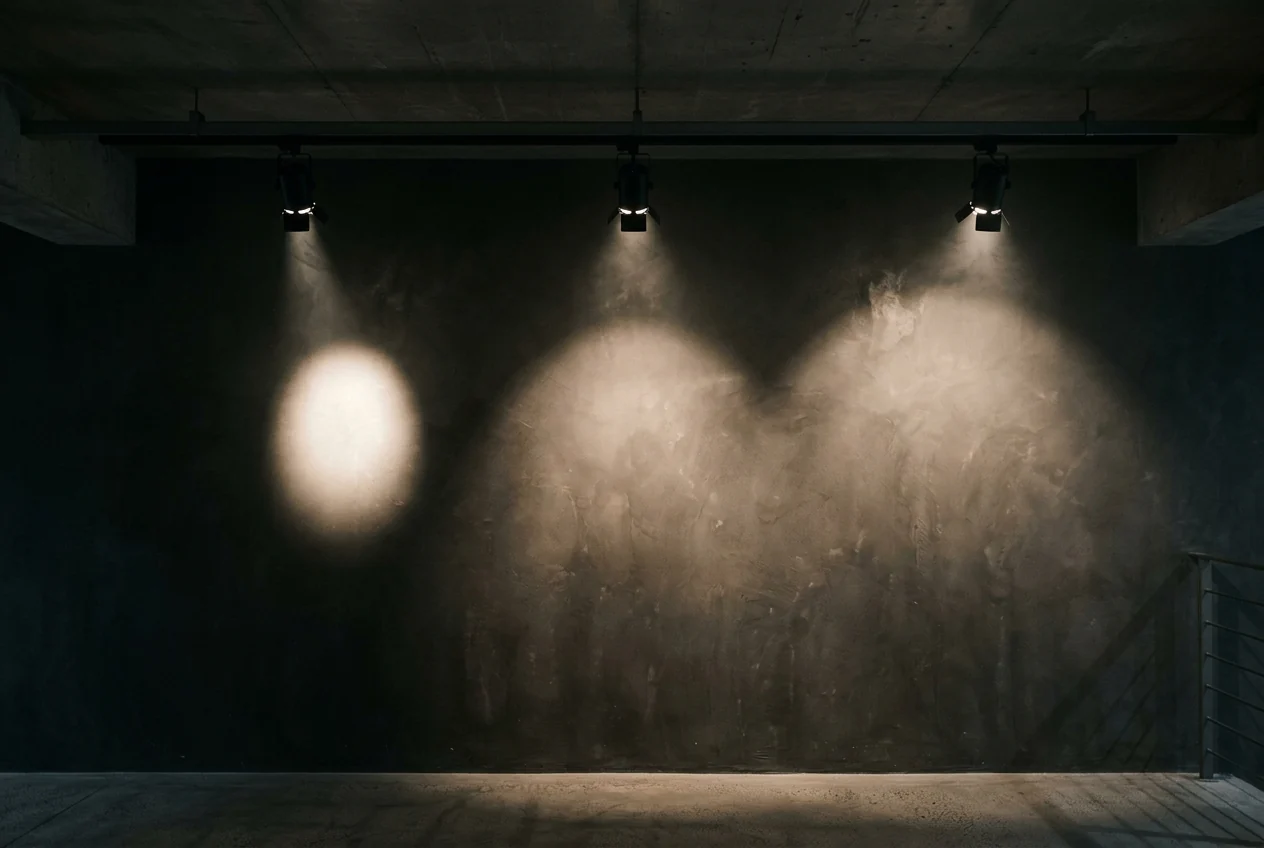
Beam angle is the cone of light where intensity is at least 50% of peak. A 15° beam is a tight spot. A 60° beam is a wide flood. The same lumens in a narrower beam = more intense light.
How to Choose
For accent/display lighting, use narrow beams (15–24°) to create drama and highlight objects. For general illumination, use wide beams (40–60°) for uniform coverage. For task lighting, medium beams (24–40°) concentrate light where needed.
Beam Angle Selection Guide
| application | angle | effect |
|---|---|---|
| Retail product spotlight | 12–24° | Dramatic focus |
| Hotel corridor downlight | 40–60° | Uniform wash |
| Office task light | 24–40° | Concentrated work area |
| Facade uplighter | 8–15° | Tall narrow column wash |
| Cove lighting | 90–120° | Smooth indirect glow |
Spacing & Beam Angle
The spacing-to-height ratio (S/H) determines fixture placement. For even illumination: S/H ≤ 1.0 for narrow beams, S/H ≤ 1.5 for wide beams. Too far apart creates dark patches between fixtures. Too close wastes energy and budget.
Before You Specify
Define the purpose: accent, task, or ambient?
Calculate ceiling height to determine coverage diameter
Use the S/H ratio to determine spacing
Consider mixing beam angles for layered lighting
Check beam angle at the fixture optic, not the lamp
Common Mistakes
Using narrow spot beams for general lighting — creates uneven 'cave effect'
Ignoring ceiling height when calculating fixture spacing
Mixing fixtures with different beam angles without a lighting plan
Not accounting for reflections — shiny floors bounce narrow beams
Related Tools
Frequently Asked Questions
Related Articles
beam angleopticsspacingdistributionfundamentals