
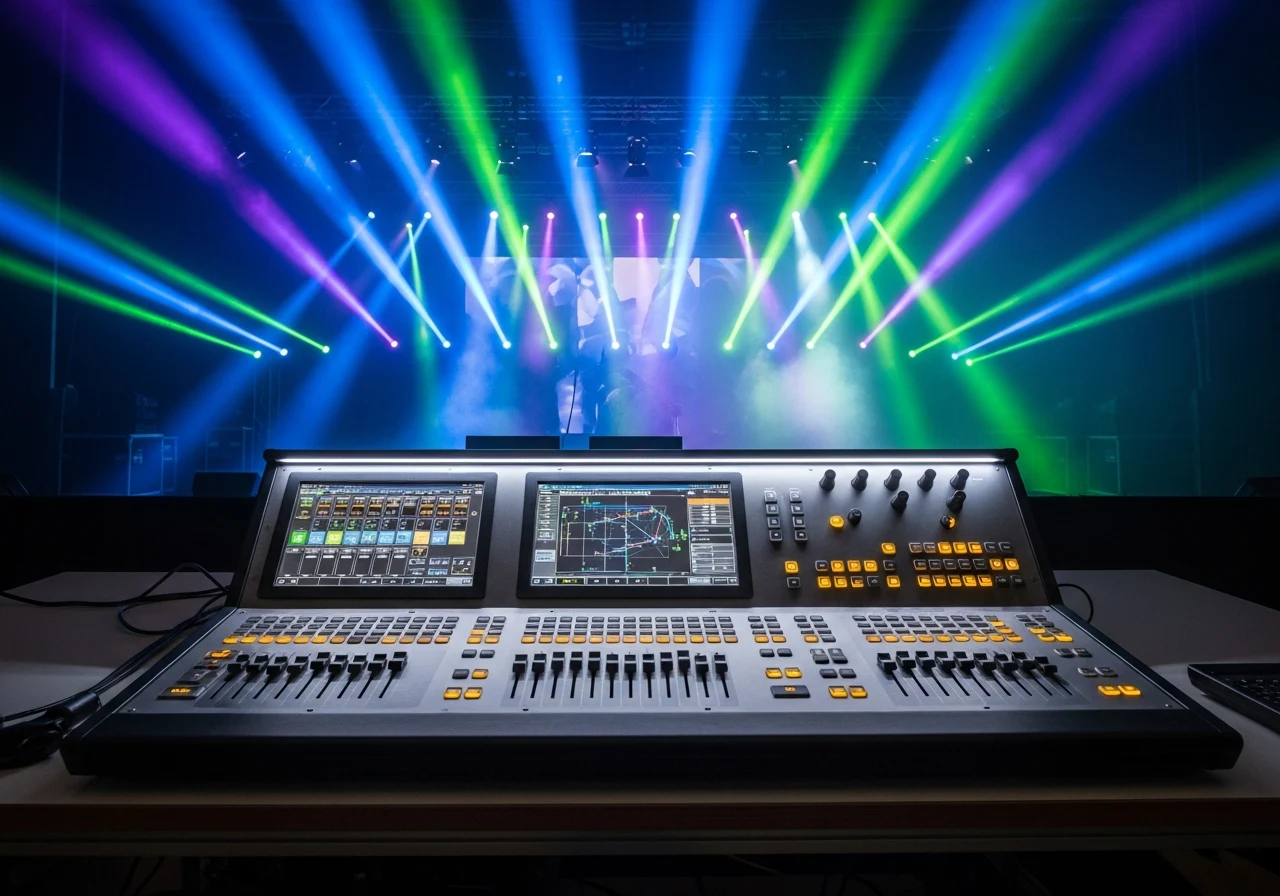
WHAT IS DMX512?
DMX512 (Digital Multiplex) is the entertainment industry's standard protocol for controlling dynamic lighting. Originally developed for stage and theater applications, DMX is now widely used for architectural facades, media walls, and any installation requiring high-speed color effects.
With 512 channels per universe and a 44Hz refresh rate, DMX enables smooth color transitions, pixel-level control, and synchronized effects across large installations. Extensions like Art-Net and sACN allow multiple universes over IP networks for massive-scale deployments.
TECHNICAL SPECIFICATIONS
CHANNEL STRUCTURE
RGB FIXTURES
3 channels per fixture:
- • Channel 1: Red (0-255)
- • Channel 2: Green (0-255)
- • Channel 3: Blue (0-255)
RGBW FIXTURES
4 channels per fixture:
- • Channel 1-3: RGB
- • Channel 4: White (0-255)
- • Better white reproduction
UNIVERSE MATH
512 ÷ channels = fixtures:
- • RGB: 170 fixtures/universe
- • RGBW: 128 fixtures/universe
- • Multiple universes via Art-Net
USE CASES & ENERGY SAVINGS
Building Facades
30-50% savingsDynamic color-changing effects, animated sequences, and media displays on building exteriors
Hotel Ballrooms
25-40% savingsColor-changing cove lighting synchronized with events, presentations, and ambiance requirements
Retail Windows
20-35% savingsProduct highlighting, seasonal displays, and brand-consistent color schemes
Entertainment Venues
Variable savingsShow control, synchronized effects, dance floor lighting, and immersive experiences
BEST APPLICATIONS
USE DMX WHEN
- • Lighting is part of a show or dynamic experience
- • RGB/RGBW color mixing is required
- • High-speed effects and synchronization needed
- • Pixel mapping or media integration planned
KEY ADVANTAGES
SYSTEM COMPONENTS
DMX Controller
Generates 44Hz DMX stream with scene programming and show control
DMX Splitter/Amplifier
Optional opto-isolated units for long cable runs and multiple zones
DMX Decoders
Convert DMX signals to LED driver voltages (PWM, constant current)
DMX Terminator
120Ω resistor — always fit on the last device of each run
CRITICAL CONSIDERATIONS
• Requires proper programming — never expose raw DMX to end users
• Unidirectional communication (no status feedback from fixtures)
• Daisy-chain only topology limits flexibility
• Maximum 32 devices per run without splitters
• Not ideal for stable, interior lighting scenarios
Important: DMX requires proper programming and abstraction layers for user control. End users should interact through simple scene buttons or app interfaces, never raw DMX controls.
DMX vs DALI: CHOOSING CORRECTLY
USE DMX FOR
- • Building facades with dynamic color effects
- • Entertainment venues and show control
- • Hotel ballrooms with color-changing coves
- • Media walls and pixel displays
- • Any application requiring RGB color mixing
USE DALI FOR
- • Corporate offices with daylight harvesting
- • Healthcare facilities requiring tunable white
- • Retail stores with stable scene control
- • Any application needing fixture diagnostics
- • Long-term reliability over dynamic effects
Wrong protocol selection causes 80% of lighting control failures. Match the protocol to the application.
NEED DMX PROGRAMMING?
Our controls team designs, programs, and commissions DMX systems for facades, events, and entertainment venues.