How to light restaurants for different dining experiences - from casual cafes to fine dining. Color temperature, dimming, and layering techniques for F&B venues.
Commercial lighting directly impacts productivity, sales, and energy costs. Understanding design standards and best practices ensures your space performs optimally.
Standards and Compliance
UAE commercial lighting standards:
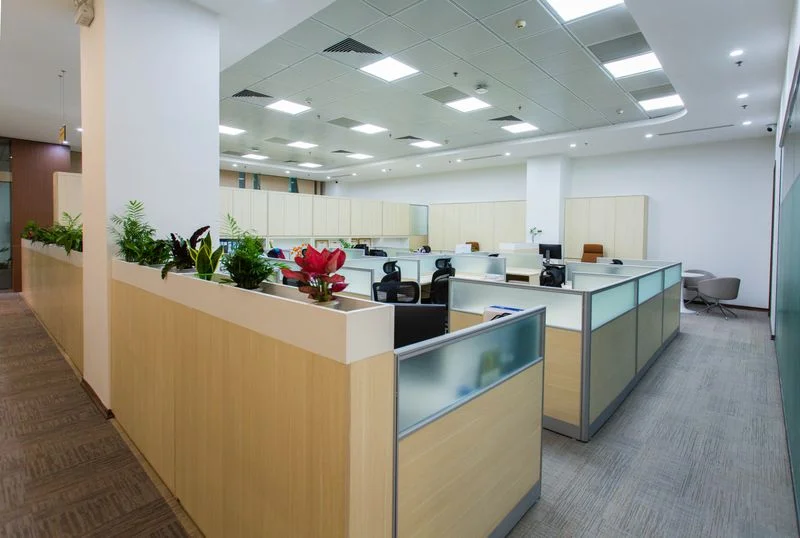
- Office Spaces: 300-500 lux on work surfaces, UGR <19
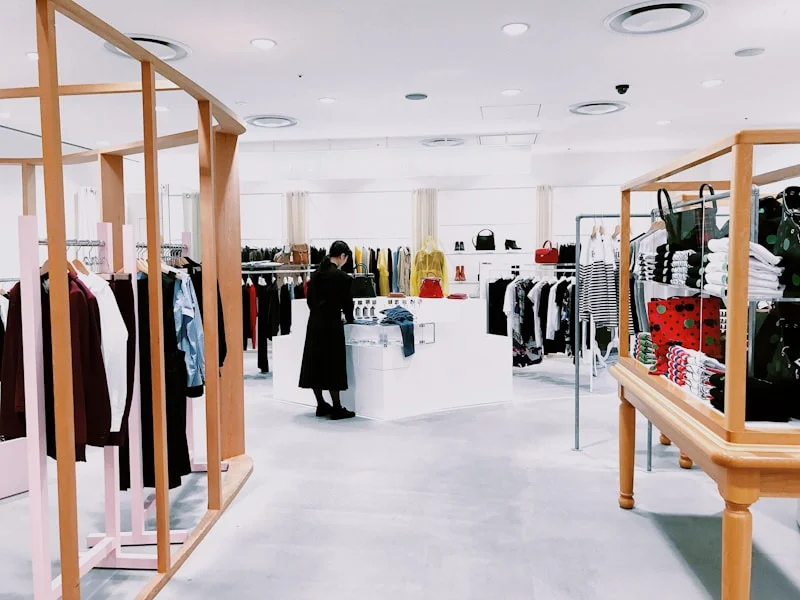
- Retail General: 300 lux minimum, higher for merchandising
- Warehouses: 100-300 lux depending on task requirements
- Emergency Lighting: Minimum 1 lux on escape routes
- Energy Efficiency: Estidama and green building requirements
Design Strategy
Effective commercial lighting design:
Office Environments
- Minimize glare with low-UGR fixtures
- Provide task lighting options at desks
- Include daylight integration controls
- Consider circadian-friendly tunable white
Retail Spaces
- Use high-CRI sources for merchandise
- Create focal points with accent lighting
- Adjust perimeter to floor brightness ratios
- Design flexibility for seasonal displays
Energy Efficiency
Maximize efficiency while meeting requirements:
- LED Technology: 50-70% savings over fluorescent
- Occupancy Sensors: Auto-off in unused areas
- Daylight Harvesting: Dim artificial light when natural light available
- Task Tuning: Reduce output in over-lit areas
- Scheduling: Automated on/off based on business hours
Maintenance Planning
Commercial lighting requires maintenance planning:
- Group replacement schedules for efficiency
- Specify accessible fixtures for high locations
- Document lamp and driver specifications
- Budget for periodic cleaning of optics
- Monitor for early failure patterns
Conclusion
Commercial lighting is a strategic investment affecting your bottom line. Proper design meets regulatory requirements while creating productive, appealing spaces that support your business objectives.