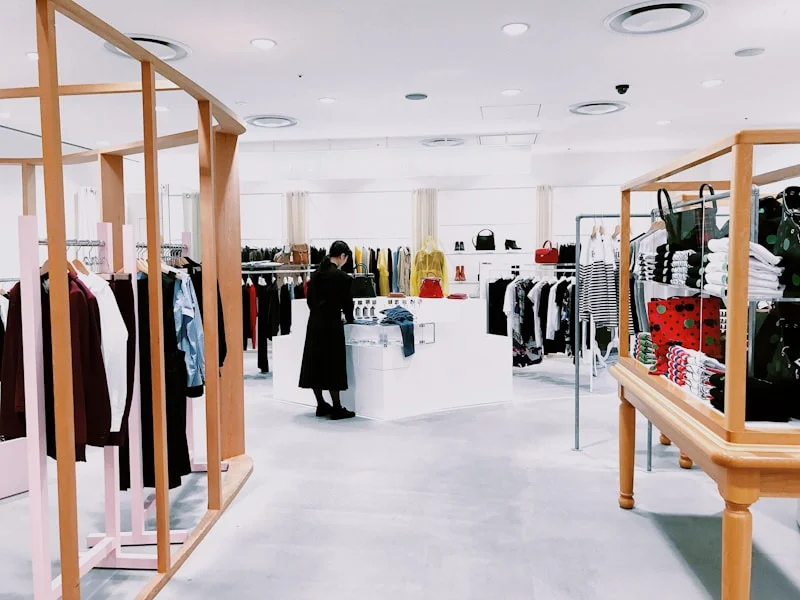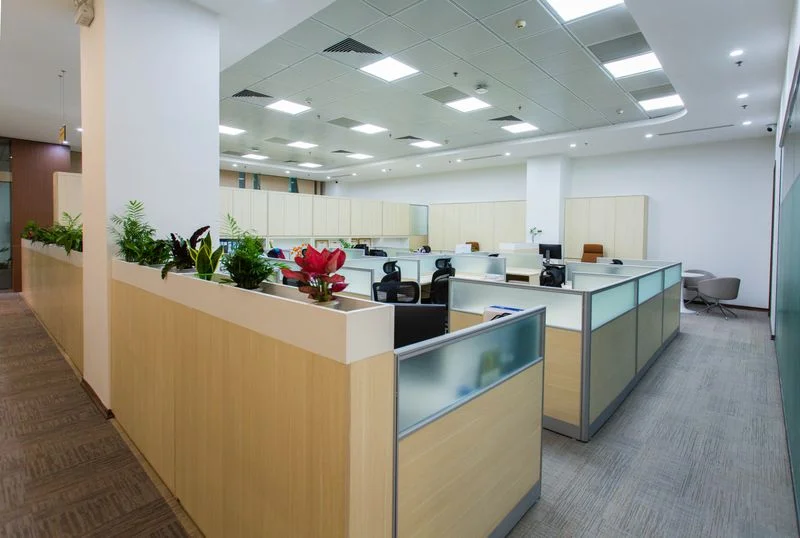
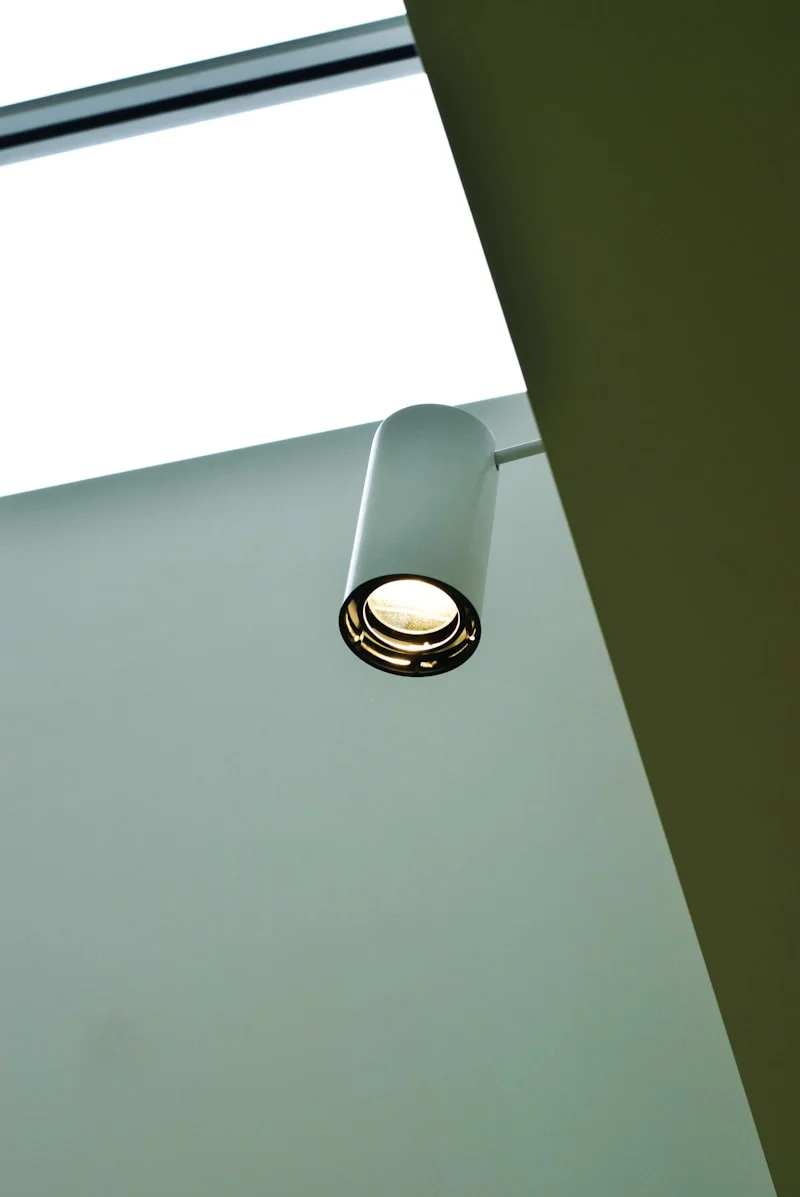
Lighting doesn't just help customers see products — it fundamentally influences their emotions, decisions, and purchasing behavior. Research in environmental psychology has demonstrated that lighting conditions can alter mood states within 30 seconds of entering a space, making it the fastest-acting design element in any retail environment.
"Shopping is an emotional experience. The store that controls the emotional environment controls the purchase. And lighting is the most powerful emotional lever a retailer has."
Dr. Jochen Menzel — Environmental Psychology, University of Mannheim
How Different Lighting Types Affect Customer Psychology
Bright Lighting: The Activator
Bright lighting (500+ lux, 4000K+) activates the sympathetic nervous system, creating a sense of alertness and urgency. Research from the Journal of Consumer Psychology shows this environment:
- Encourages faster decision-making — ideal for supermarkets and fast-fashion
- Increases perceived energy and alertness in the space
- Makes products appear cleaner and more organized
- However, can create decision fatigue if sustained too long
Soft/Warm Lighting: The Comforter
Soft, warm lighting (100-200 lux, 2700-3000K) activates the parasympathetic system, promoting relaxation and emotional openness:
- Increases dwell time by 40-60% — customers linger and explore more
- Creates feelings of luxury, exclusivity, and trust
- Reduces price sensitivity — customers are more willing to pay premium prices
- Ideal for high-end boutiques, jewelry stores, wine shops
Accent Lighting: The Director
Accent lighting is the most psychologically powerful technique in retail because it leverages a fundamental cognitive principle: visual contrast captures attention involuntarily.
- Products under 3:1 accent-to-ambient ratio are perceived as 2.5x more desirable
- Spotlit items receive 40% more touches from passing customers
- Creates an implicit message of curation and exclusivity
- Guides the customer's natural shopping journey through the store
The Color Temperature Psychology Map
Designing for Purchase Psychology
Understanding the psychological impact of lighting allows retailers to design environments that align with their brand positioning and sales strategy:
- Map the customer journey: Bright entrance (attention) → Warm browsing zone (comfort) → Accent product displays (desire) → Bright checkout (action)
- Use contrast intentionally: The contrast between ambient and accent lighting creates visual hierarchy that guides behavior
- Match CCT to brand positioning: Luxury brands use warm (2700K), mainstream uses neutral (3500K), value brands use bright (4000K)
- Avoid uniform lighting: Flat, even illumination removes all psychological cues and creates a sterile, unengaging environment
Future Trends in Retail Lighting Psychology
- Smart Lighting Systems: AI-powered fixtures that adjust CCT and intensity based on real-time customer behavior analysis from CCTV
- Sustainable Lighting: Eco-conscious consumers respond positively to visible sustainability cues — solar integration, natural daylight, and low-energy fixtures
- Interactive Lighting: Motion-sensitive displays that brighten when customers approach, creating a personalized "spotlight" experience
- Human-Centric Lighting: Adapting store lighting to circadian rhythms — cooler in the morning, warmer in the evening — for enhanced comfort
"The future of retail lighting is not about illuminating products. It's about illuminating emotions. The stores that understand this will be the ones that survive the digital disruption."
Paco Underhill — Retail Anthropologist, Author of 'Why We Buy'
Conclusion
The success of a retail store doesn't just depend on products — it depends on how those products are psychologically presented. By understanding the emotional and behavioral effects of bright, warm, and accent lighting, retailers can design spaces that customers instinctively want to explore, engage with, and buy from.
Whether it's a fashion boutique, jewelry showroom, supermarket, or car showroom, the right mix of lighting strategies transforms an ordinary store into a space where psychology and design work together to drive sales and build lasting brand loyalty.